Tuesday, October 28, 2025

Spotlight on Zhao Wei after KK Park scam crackdown

Monday, October 27th, 2025
Spotlight on Zhao Wei after KK Park scam crackdown

Tension is once again rising along the Thai–Myanmar border following the Myanmar military’s air strikes on KK Park, a notorious scam hub in Myawaddy. Thai residents in Mae Sot district, Tak province, have reported hearing heavy explosions across the Moei River—likened to fireworks set off by the Myanmar Army and the Karen Border Guard Force (BGF).

On 26 October 2025, around 1,243 people of 28 nationalities fled across the Moei River into Thailand as Myanmar troops advanced. Among them were suspected Chinese ringleaders who allegedly slipped through natural crossings in Mae Ramat district, believed to be heading for Kings Romans Casino opposite Chiang Saen, Chiang Rai province.

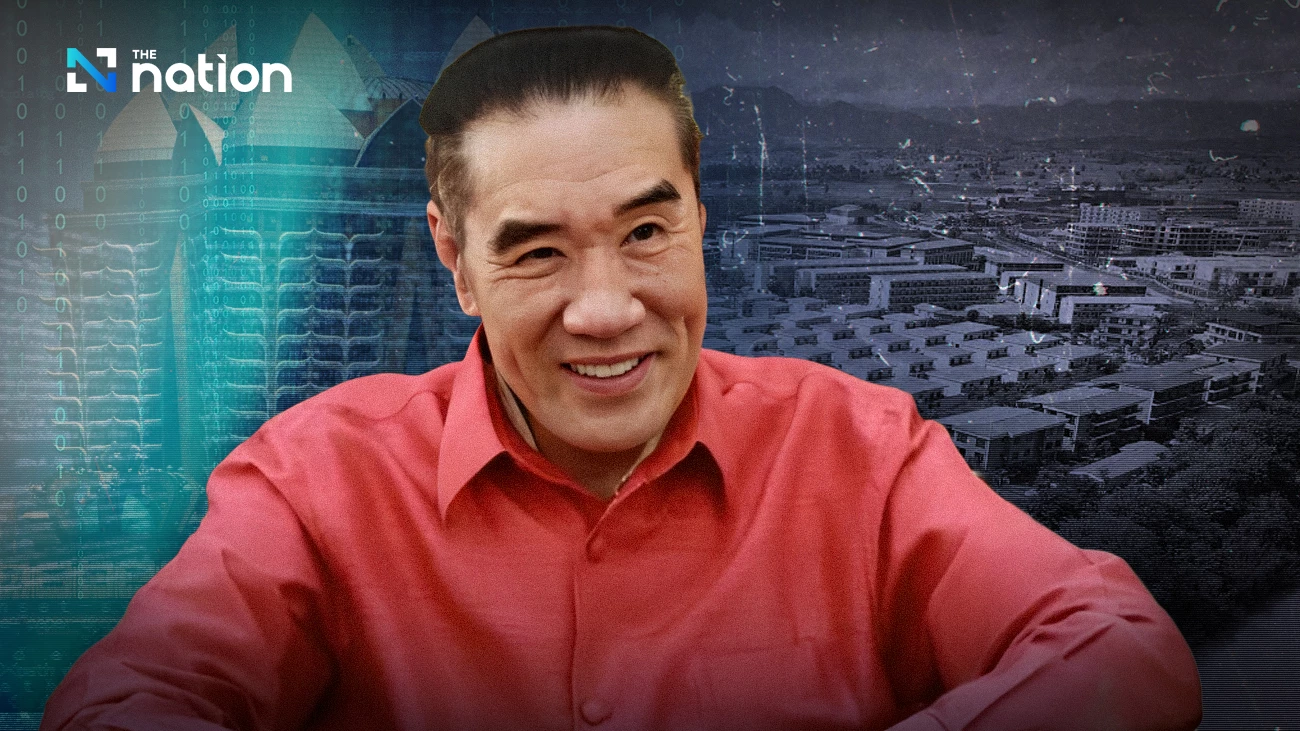
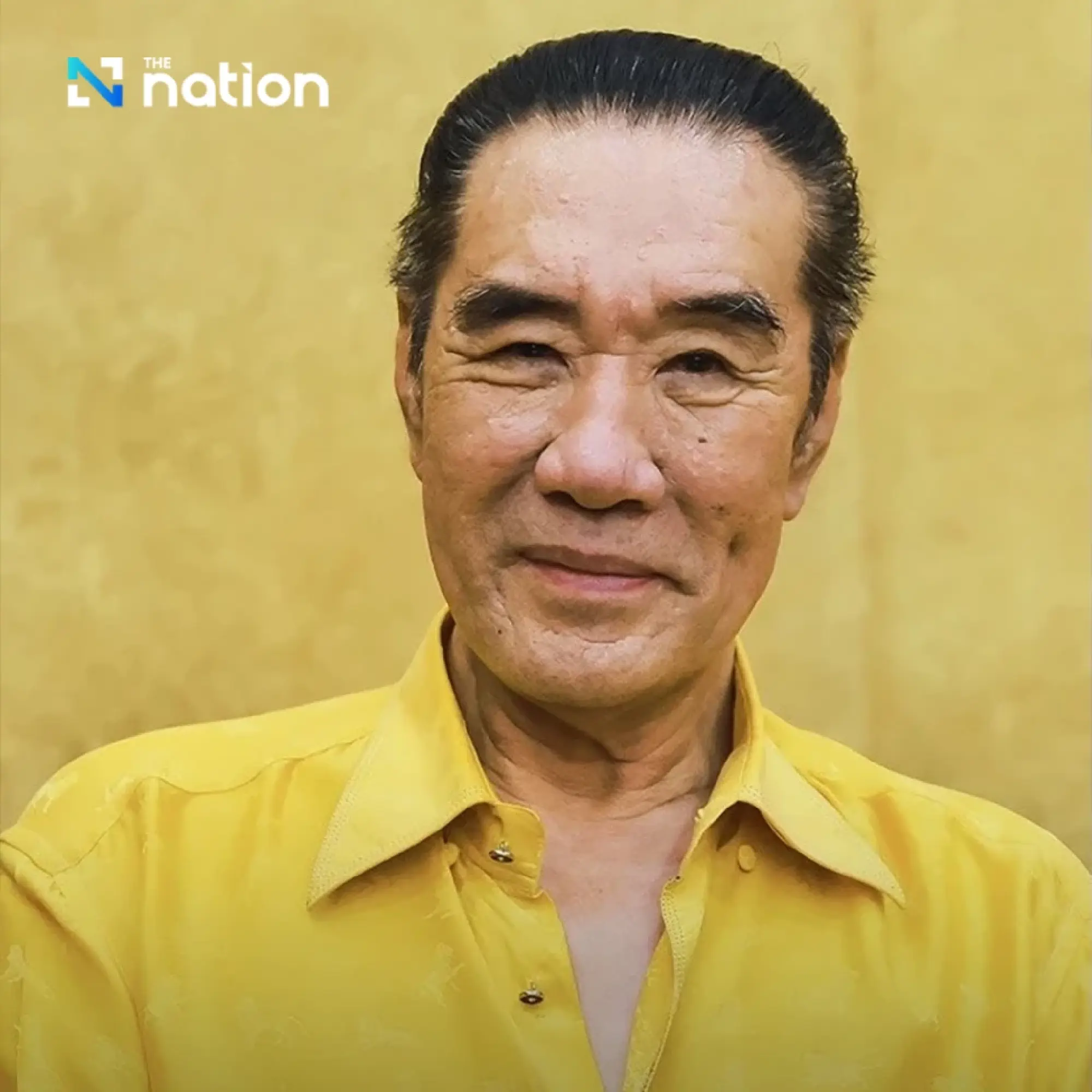
Although details remain unconfirmed, the mention of Kings Romans inevitably brings to mind Zhao Wei, the chairman of the Golden Triangle Special Economic Zone (GTSEZ) in Bokeo province, Laos.

Spotlight on Zhao Wei after KK Park scam crackdown

A long shadow of suspicion

In late 2022, Thai whistleblower Chuwit Kamolvisit accused Zhao Wei of links to Tu Hao, a key figure in the Chinese “grey” business network, claiming the Dok Ngiew Kham Company—connected to Tu Hao—had invested in KK Park.

Zhao Wei fired back with a fiery press conference denying any investment by Dok Ngiew Kham in KK Park.

Yet Zhao Wei and his Kings Romans empire have long drawn the attention of Western governments.

In 2023, the UK, Canada and the United States jointly announced sanctions on individuals tied to Chinese-funded enclaves near Thailand’s borders—naming Zhao Wei, She Zhijiang, and Saw Chit Tu—citing UN reports linking them to forced labour and human trafficking through online scams.

It was not Zhao Wei’s first brush with sanctions, but he has consistently denied all allegations of trafficking or narcotics involvement.
Spotlight on Zhao Wei after KK Park scam crackdown
The ‘Zhao Wei model’

Beijing began cracking down on cross-border call-centre gangs in 2024, launching the so-called “Zhao Wei model” in coordination with the Lao government to purge telecom-fraud networks within the GTSEZ.

Chinese and Lao police carried out joint raids, after which Laos’s Ministry of Public Security declared early in 2025 that no call-centre gangs remained in the Golden Triangle.

The “Zhao Wei model” contrasts sharply with Myanmar’s lawless “Laukkaing model.” Zhao Wei enjoys official backing from the Lao PDR government and apparent leniency from Beijing, which continues to regard him as a stabilising figure in the region.

Mekong analysts suggest that China’s so-called “grey economy” may serve as an informal geopolitical tool, balancing Western influence while keeping illicit networks under tacit control—ensuring such scam operations never fully disappear.


Zhao Wei’s rise from the Golden Triangle

Over two decades ago, Zhao Wei ran a casino in Mong La, a semi-autonomous Shan State enclave backed by local warlord Sai Leun.

When Yunnan authorities tightened border controls and cracked down on organised crime, Zhao’s casino operations were forced to close.

In 2007, he re-emerged in Laos, securing a 50-year concession to develop the Golden Triangle Special Economic Zone in Ton Pheung district, Bokeo province.

Laotian leaders hailed Zhao Wei as a legitimate investor and visionary developer, turning his enclave into a showcase SEZ for the country.

Zhao Wei developed close ties with Somsavat Lengsavad, the former Lao deputy prime minister of Chinese descent. The two were known to share a personal friendship—Lengsavad’s ancestors had migrated from Wenchang, Hainan, to Luang Prabang during the French colonial era.

During his tenure, Lengsavad personally pushed for the approval of Zhao Wei’s 50-year concession.
 

Beijing’s outpost in the Golden Triangle

Experts note that Zhao Wei’s empire—straddling the frontiers of Myanmar, Laos and Thailand—has become more than a private enterprise.

To many observers, it functions as a strategic outpost of Beijing, keeping watch over US activity in the region and securing China’s foothold in mainland Southeast Asia.

While Western nations see Zhao Wei as a criminal mastermind, others in the Mekong view him as Beijing’s pragmatic operator—the man who turned a no-man’s-land of casinos and trafficking routes into a tool of Chinese influence. 

Monday, October 27, 2025

Malaysia’s Position on Article 5.1: Strategic Autonomy Over Uncritical Alignment

Article 5.1 No way! 

Article 5.1 may assert that Malaysia is obliged to replicate any trade restrictions—tariffs, quotas, or prohibitions—imposed by the United States under the guise of economic or national security. But let us be unequivocal: Malaysia is not a subordinate actor. We are a sovereign trading nation with our own strategic calculus, regional partnerships, and economic imperatives.

China and Russia are not adversaries—they are integral partners. Malaysian consumer markets are deeply embedded within Chinese supply chains, particularly in foodstuffs, household goods, and electronics. To mirror U.S. trade measures wholesale would be economically unsound and politically destabilising. The PH+BN coalition is acutely aware of this. Enforcing Article 5.1 without nuance risks fracturing domestic coalitions and alienating key minority communities whose consumption patterns are closely tied to imports from Hong Kong and mainland China.

Furthermore, Malaysia is actively deepening its engagement with BRICS nations. YAB DSAI’s invitation to the Presidents of Brazil and South Africa for bilateral trade summits is not symbolic—it is strategic. We are broadening our trade architecture, not constricting it. To jeopardise these relationships in pursuit of rigid alignment with U.S. protectionism would be a grave miscalculation.

Malaysia must interpret Article 5.1 through a lens of pragmatism and national interest. We cannot, and will not, abide blindly by language that undermines our regional stability or economic growth. Our trajectory demands diversified partnerships—across agriculture, textiles, engineering, and beyond. Compliance must be conditional, measured, and always aligned with Malaysia’s sovereign priorities.

Time Is Running Out: Why M. Indira Gandhi Must Act Swiftly to Locate Her Daughter

By Determined Sarawakian 

Seventeen years have elapsed since Prasana Diksa was taken from her mother, M. Indira Gandhi, at merely eleven months of age. Despite a landmark ruling by Malaysia’s Federal Court in 2018—which declared the child’s unilateral conversion to Islam invalid and reaffirmed Indira’s full custodial rights—Prasana remains missing. The father, who absconded with her in defiance of court orders, has yet to be located or held accountable. Law enforcement has failed to execute the arrest warrant. The state has failed to reunite a mother with her child.

But time is no longer a luxury Indira can afford.

⏳ The Legal Clock Is Ticking

In fewer than four years, Prasana will reach the age of 21—the age of majority under Malaysian law. At that point, she will possess full legal autonomy to determine her religion, residence, and familial affiliations. Should she emerge publicly and declare herself a Muslim, or worse, renounce her mother’s custodial claim, the legal and emotional stakes of this case will shift dramatically.

The Federal Court’s ruling will remain a powerful precedent, but its practical effect may be rendered moot. Custody orders do not apply to adults. And while the court invalidated her childhood conversion, an adult Prasana could voluntarily reaffirm her Muslim identity, placing herself under Syariah jurisdiction and beyond the reach of civil enforcement.

๐Ÿ” The Case for Private Investigation

Given the state’s prolonged inaction, it is imperative that Indira Gandhi consider engaging private investigators—without delay. This is not a matter of undermining the judiciary, but a recognition that enforcement mechanisms have failed. The police have had over a decade to act. They have not.

Private investigators, operating within legal bounds, may offer a parallel path to locating Prasana. Surveillance, digital tracing, and community-level intelligence gathering could yield leads that official channels have either overlooked or deprioritised. Time-sensitive action now could make the difference between reunion and irreversible separation.

๐Ÿงญ A Strategic Imperative

This is not merely a personal tragedy—it is a national test of constitutional integrity. The longer Prasana remains missing, the more the state’s failure becomes normalised. If she reappears as an adult and publicly disavows her mother, it will be framed as her choice. But that “choice” will have been shaped by years of unilateral upbringing, religious indoctrination, and state-sanctioned parental alienation.

To prevent that outcome, Indira must act decisively. The window for meaningful intervention is closing. Private investigation is not a betrayal of the legal process—it is a necessary supplement to it.

๐Ÿงพ Conclusion

Justice delayed is already justice denied. But justice abandoned is something far worse. M. Indira Gandhi’s fight has always been about more than one child—it is about the rights of all parents, the sanctity of civil law, and the future of pluralism in Malaysia.

Now, it is also about time.

Thursday, October 23, 2025

Malaysia approves 50km border wall facing Narathiwat

B11.5bn equivalent budget approved for wall's construction

A border wall separates Thailand's Betong district in Yala and Malaysia's Perak state. A similar barrier will soon be built between Narathiwat and Kelantan state. (Photo: 4th Army Region)

The Malaysian government has approved the construction of a wall in Kelantan state along the border with Thailand fronting Narathiwat, and allocated a budget 1.5 billion ringgit (11.5 billion baht) for its implementation. 

Kelantan state police chief Mohd Yusoff Manat announced the decision and budget allocation on Tuesday, the New Straits Times reported.

"The allocation has been approved for the construction of the wall, and the chief secretary to the government, Tan Sri Shamsul Azri Abu Bakar, has conducted a site visit to the border," he said in the report. 

The decision is a major victory for the Malaysian state, which has long sought the construction of a barrier along the border with Thailand's Narathiwat province, as the two countries battle against smuggling and other cross-border crime.

Malaysia has previously built crime-stopper walls along some sectors of the border with southern Thailand. This will be the first in Kelantan. It is also intended to prevent flooding from the Golok River, which separates the two countries in that sector.

The state police chief said the first section of wall in Kelantan would be built between Tumpat and Tenah Merah, Bernama news agency reported. The project was now in the tendering process, he said. It would be about 50 kilometres long.

https://www.bangkokpost.com/world/3124268/malaysia-approves-50km-border-wall-facing-narathiwat.

Wednesday, October 22, 2025

๐Ÿ‡ฐ๐Ÿ‡ท๐Ÿ‡จ๐Ÿ‡ณ๐Ÿ‡ฐ๐Ÿ‡ญ Misplaced Blame and Missed Accountability: Southeast Asia Is Not a Monolith

Recent headlines have spotlighted the tragic death of a South Korean student in Cambodia, allegedly tortured in a scam compound near Bokor Mountain. The incident, alongside the repatriation of dozens of South Koreans detained or exploited in Cambodian scam centres, has understandably triggered alarm in Seoul. President Lee Jae Myung has called for a tougher crackdown on transnational scams targeting Korean nationals, and South Korea has even sought UN cooperation to address the growing threat of human trafficking linked to online fraud.

But the narrative now circulating—that Southeast Asia is broadly unsafe for South Koreans—is dangerously reductive.

๐Ÿ” Southeast Asia ≠ Cambodia Alone

Southeast Asia comprises eleven nations, each with distinct governance, security frameworks, and bilateral ties with Korea. To conflate the entire region with Cambodia’s criminal underbelly is to ignore the diversity and complexity of ASEAN. Many South Koreans in the region are not tourists but workers, students, and entrepreneurs seeking opportunity—not leisure.

๐Ÿงญ The China Factor: Transnational Crime Needs Transnational Accountability

What’s missing from the conversation is the role of Chinese criminal syndicates operating across Southeast Asia. Scam compounds in Cambodia, Myanmar, and Laos have repeatedly been linked to Chinese nationals and networks. Beijing must take proactive responsibility—not just reactive diplomacy—before tragedies escalate further.

Let us not forget the 2011 Mekong River massacre, where 13 Chinese sailors were murdered by drug traffickers operating in Myanmar. That incident, underpinned by Chinese cartel influence, prompted a rare military response from China. But why wait for another bloodbath?

๐Ÿ›ก️ Call to Action

China should lead regional efforts to dismantle scam networks seeded by its own citizens. South Korea must continue to differentiate between rogue zones and legitimate partners in Southeast Asia. And media outlets must resist the temptation to paint the region with a single, fearful brush.

Southeast Asia deserves nuanced engagement—not blanket avoidance.